Luxuries of Sleep: An Informational Journey into Luxury Mattresses and the Architecture of Comfort
In a world where the night is often undervalued, luxury mattresses stand as quiet ambassadors of rest. They are not merely objects of form and comfort but carriers of material science, craftsmanship, and sleep-waryed discipline. Luxurymattresses.net, a domain that reads as a promise of premium sleep knowledge, invites readers into a curated exploration of what makes a mattress worthy of the word “luxury.” This is not a catalog, nor a sales page; it is a stewardship of understanding—an editorial map through materials, construction, hotel-grade standards, and the evolving science of rest.
The following article offers an extended meditation on luxury mattresses as artifacts of design and science. We’ll traverse the terrain of materials like organic wool, cotton, and latex; we’ll unpack coil systems, foam technologies, and the ethics of manufacturing; we’ll consider hotel luxury standards and the aspirations they set for domestic sleep environments. The aim is to cultivate a rigorous, non-commercial knowledge base that respects the reader’s desire for clarity, nuance, and reliable explanations.
A Framework for Understanding Luxury Mattresses
Luxury is a broad term, but when it comes to mattresses, it translates into a few precise dimensions: materials of origin and integrity, construction that distributes support with surgical precision, durability and lifecycle considerations, and a sleep experience that balances contour, temperature, and noise. A luxury mattress is not only about plushness; it is about a coherent system that honors body zones, sleep stages, and environments ranging from a quiet urban bedroom to a bustling hotel suite.
The journey begins with materials. Organic wool, cotton, and natural latex have occupied central roles in premium bedding for decades, each offering distinct properties: wool as a natural regulator of temperature and moisture, cotton as a breathable cloth that forms the mattress’s skin, and latex as a responsive core that can be layered for tailored firmness. The modern luxury mattress frequently blends these ingredients with systems that include Dunlop or Talalay latex, or a hybrid arrangement with innerspring architectures that emphasize edge support and zoned comfort.
A great mattress also pays attention to the unseen frame: the casing, quilting, and edge reinforcement contribute to longevity and a consistent sleeping surface. In many premium products, you will find certified organic materials, careful stitching, and thoughtful details like brass zippers or wool batting that serve both flame retardancy and moisture management. The craft here is not merely aesthetic; it is functional, measurable, and designed to resist the wear that daily use imposes.
Material Literacy: What Makes Luxury Stand Apart
Materials define the body of a mattress as surely as frame defines a chair. Let us consider several ingredients that recur in luxury offerings:
- Organic latex: Derived from rubber tree milks, latex can be Dunlop or Talalay processed. It offers resilience, buoyant support, and a unique ability to contour to the body without sacrificing bounce. When organic, it also aligns with certifications that signal sustainable farming and responsible processing.
- Natural wool: Wool batting or wool layers act as a natural temperature regulator, wicking moisture and providing flame resistance without chemical retardants. Its elasticity and loft help produce a sleepy softness without overheating, a feature prized in premium sleep surfaces.
- Organic cotton: The casing and quilting often use organic cotton, prized for its softness, durability, and lower environmental impact. A cotton quilt or cover can create a breathable, skin-friendly interface that remains robust across cycles of washing and use.
- Coil and foam systems: While many luxury mattresses embrace foam for pressure relief, others deploy pocketed coils or hybrid structures to deliver zoned support, minimize motion transfer, and extend edge stability. The craft lies in balancing materials to achieve a sleeping surface that feels cohesive rather than a sum of disparate parts.
In a luxury context, materials are not chosen solely for feel but for performance across a long lifecycle. Certifications—USDA organic standards for agricultural products, Global Organic Latex Standard (GOLS) for latex, and similar attestations—offer a layer of verification that helps the consumer navigate a crowded market with greater confidence.
The Architecture of Comfort: Construction and Zoned Support
Luxury mattresses reveal themselves most clearly in their construction. A successful design distributes weight and pressure evenly, reduces motion transfer, and maintains a stable sleeping surface across many nights. Here are key architectural features to understand:
- Layered configurations: The Serenity-style approach to latex layering illustrates how a mattress can be customized by adjusting soft, medium, or firm layers. Such configurability permits a single mattress to adapt to different sleepers or to a couple with divergent preferences.
- Edge reinforcement: A robust edge is not merely a visual cue; it preserves the sleep surface when you sit or lie near the perimeter, and it helps prevent sagging that can compromise long-term comfort.
- Temperature management: Wool and breathable cotton, combined with latex’s open cell structure and potential moisture-wicking properties, create a climate that resists heat buildup and humidity accumulation—a crucial factor in genuine luxury sleep.
- Durability and longevity: A luxury mattress is a long-term investment. Independent durability tests, consumer reviews, and warranty coverage furnish a clearer sense of how a mattress holds its shape and comfort profile through the years.
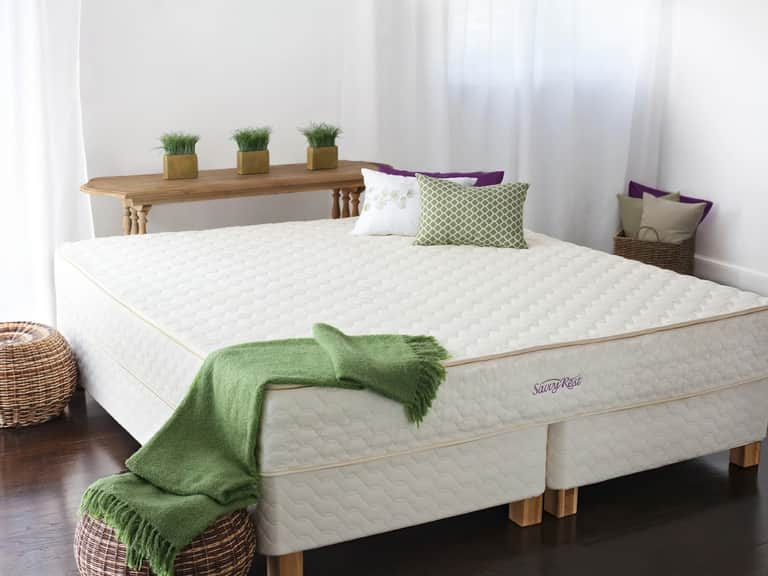
The Savvy Rest Serenity, for instance, exemplifies a modular design: three layers of organic latex (soft, medium, firm) within a sturdy organic cotton casing, with wool batting as a natural flame barrier. It is a paradigm of how a mattress can marry customization with clean engineering, all made in the United States. Such architectures reflect a broader ethos in luxury manufacturing: transparency about materials, a clear map of the layering strategy, and a demonstration of how a bed can be adapted to personal anatomy and sleeping cadence.
Hotel Luxury and the Domestic Dream: Standards and Inspirations
Luxury hotels have long set the aspirational benchmark for home bedding. The hospitality sector has refined a set of expectations—firm support where needed, a surface that feels pristine, and a climate-controlled sleep surface that invites a restorative night. When a consumer sees a mattress described as suitable for hotel-grade comfort, it signals a standard of uniformity: no matter the body, the surface should feel balanced, clean, and congruent across different nights.
The domestic adoption of hotel standards often translates into a careful synthesis of materials and design choices. A wool-laden layer might offer dry warmth during cool seasons; a breathable cotton cover helps wick away moisture; a latex core offers resilience without the “sinking” sensation that can come from certain foams. The result is a sleep surface that aspires to the quiet, controlled perfection associated with premium hospitality experiences, but adapted for the home—your own sanctuary with the exacting standards once reserved for five-star suites.
A Non-Commercial Lens: Objective Evaluation and Guidance
In a space that privileges knowledge over transaction, evaluation becomes a method. The goal is to equip readers with a practical framework for assessing luxury mattresses without turning the page into a shopping guide. Consider a non-commercial checklist that asks:
- What is the core material and how does it perform across temperature and pressure distribution?
- Are the materials certified organic or independently verified for environmental integrity?
- What is the layering strategy, and how does it translate into a customizable or stable feel?
- Is the cover fabric breathable and skin-friendly? What is the lifecycle care requirement?
- What is the warranty and what does it cover in terms of structure and firmness over time?
This approach aligns with a philosophy of informed choice: a reader can understand a product's architecture, weigh the trade-offs, and decide based on measurable properties rather than marketing rhetoric. The user should be empowered to compare configurations, rather than to be nudged toward a particular brand or retailer.
A Brief Look at Current Market Offerings: What Fits This Narrative?
In our current landscape, luxury mattress offerings are as diverse as the rooms in a grand hotel. Some stand out for their explicit emphasis on organic materials, modular latex configurations, and domestic craftsmanship. Consider a product such as the Savvy Rest Serenity Latex Mattress, a 10-inch tall, customizable latex mattress that layers soft, medium, and firm Dunlop or Talalay latex within an organic cotton casing and wool quilting. Its design foregrounds customization and natural materials, with a warranty that extends over two decades and a clear preference for American manufacture. The Serenity model illustrates how a luxury product can be both deeply technical and quietly elegant—the kind of item that reveals more with each study of its layers and certifications.
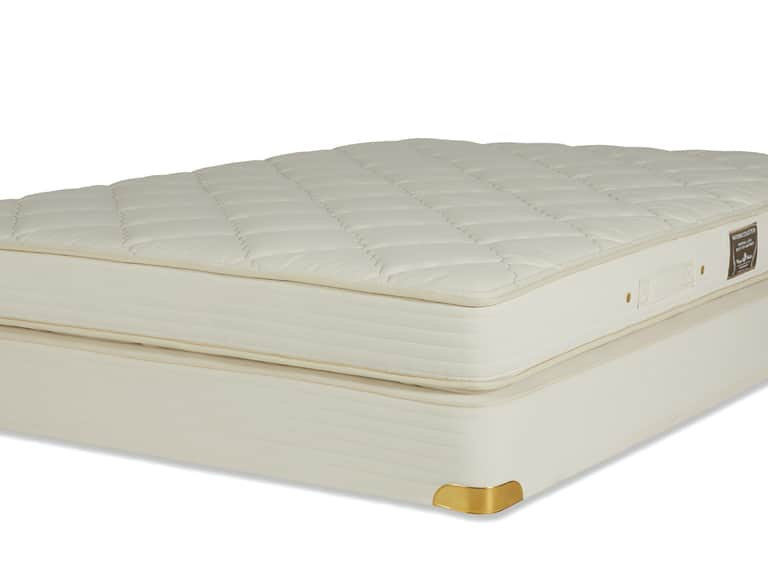
Another example, Royal-Pedic’s Natural Latex Quilt-Top Mattress with Canvas Ticking, embodies a different lineage of luxury: a traditional, all-natural latex core wrapped in French wool and premium cotton, with a long-standing reputation for hand-made quality and a high-touch aesthetic. This offering leans into the ritual of craftsmanship and the luxury of tactile materials, presenting a different cadence of comfort compared to modular latex systems.
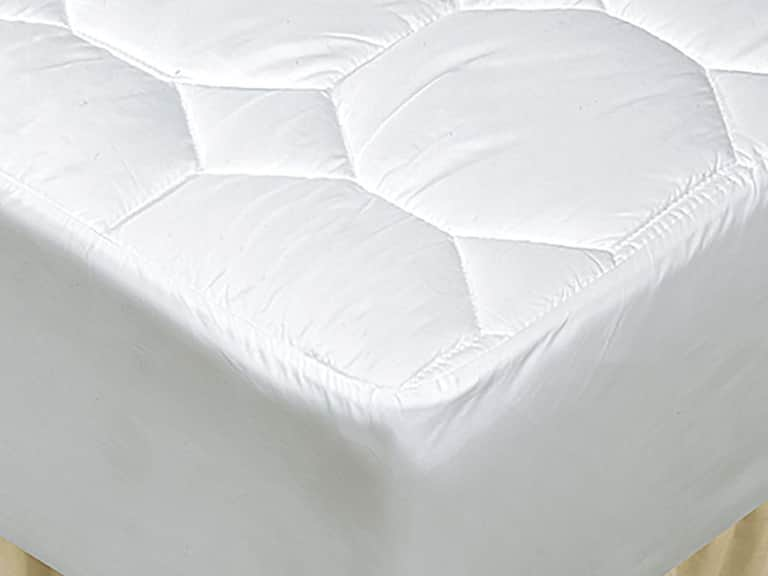
A more contemporary utility-forward option, such as the Downtown Company Luxury Cotton Mattress Pad, demonstrates how luxury sleep experiences extend beyond the mattress proper. A high-quality mattress pad can transform a surface’s feel, while preserving core support and protecting the investment underneath. It is a reminder that luxury sleep is often an ecosystem: surface, cover, fill, and care working in concert.
Glossary of Terms: Building a Shared Language
A shared vocabulary helps readers navigate this niche. Here are essential terms and their practical meanings:
- Dunlop latex: A latex formulation often denser and more buoyant, typically sourced from a single latex layer, providing a firmer overall feel at given thickness.
- Talalay latex: A latex process that yields a more uniform cell structure, generally softer at the same thickness and with a more resilient bounce.
- GOLS: Global Organic Latex Standard, a certification that confirms organic latex production across the supply chain.
- Organic wool: Wool certified to organic standards, used for insulation, flame resistance, and moisture management.
- Edge support: The structural reinforcement along the mattress perimeter to prevent sag and improve seating feel at the edge.
- Breathability: The ability of the sleep surface to permit air flow and moisture evaporation, influencing temperature stability.
- Cover fabric: The outer material that contacts the skin; its breathability and feel influence initial perception and long-term comfort.
A Product-Curated Note: What Has Relevance Here?
In a resource aimed at luxury mattress education, referencing actual products is permissible when they fit the article’s focus, contribute to understanding material and construction choices, and are linked to a dedicated product page within the site’s offerings. For readers seeking practical examples that illustrate the architecture of comfort, we can name carefully chosen products that align with the narrative:
- Savvy Rest Serenity Latex Mattress (link to product page): A flagship natural mattress with three-latex-layer customization, organic cotton casing, and wool quilting, designed and manufactured in the United States. It represents a clear embodiment of modular latex layering, organic materials, and domestic craftsmanship.
- Royal-Pedic Natural Latex Quilt-Top Mattress with Canvas Ticking (link to product page): A traditional luxury option emphasizing all-natural latex, French wool, and premium cotton. It anchors the more classic, craft-centric side of luxury sleep architecture.
- Downtown Company Luxury Cotton Mattress Pad (link to product page): An example of how a high-quality pad can complement a luxury mattress by adding breathable surface comfort and protective layering, all with a refined, easy-care approach.
These references illustrate how articles in this space can remain anchored in real-world examples while emphasizing the principles of material science, construction, and hotel-inspired standards that define true luxury in bedding.
Towards a Sustainable, Knowledge-First Sleep Culture
A luxury mattress discussion that is faithful to a non-commercial, information-centered mission is also an invitation to consider sustainability and ethical manufacturing. Readers deserve to know where materials originate, how they are processed, and what criteria govern the lifecycle of a mattress. The industry’s best practices increasingly converge with environmental stewardship: responsibly sourced wool, organic fibers, and transparent supply chains. The knowledge center model—eschewing affiliate links and paid promotions—empowers readers to seek certifications, ask for documentation, and demand accountability without commerce masquerading as guidance.
If we accept that sleep is a global good—the nightly restoration that underwrites health, productivity, and well-being—then the way we talk about luxury mattresses becomes a form of public service. The long view is a more informed consumer base, a more responsible industry, and a sleeping public that understands the terms of its own comfort.
This article embraces a non-commercial, knowledge-forward approach to luxury sleep. It references real products only to illustrate concepts, linking to their dedicated product pages where appropriate.